
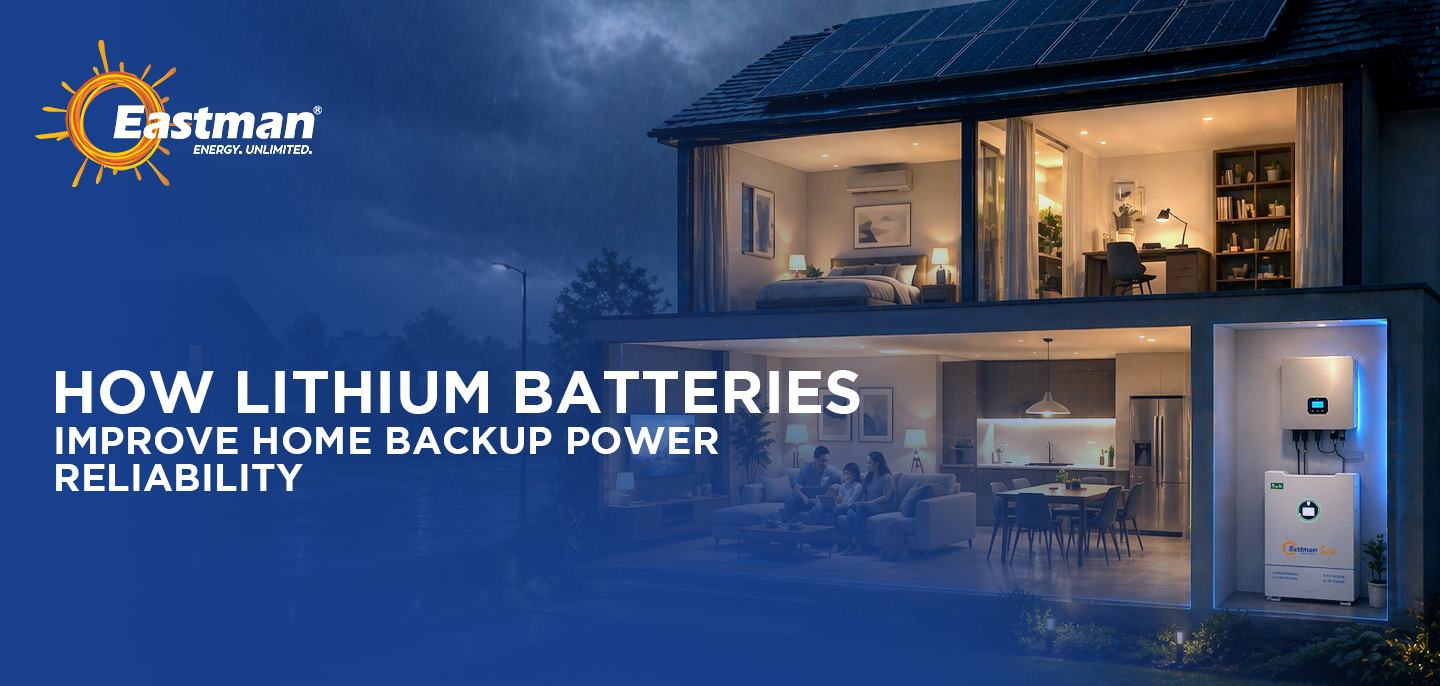
How Lithium Batteries Improve Home Backup Power Reliability
In today’s world, where power outages can disrupt work, safety, and daily comfort, having a reliable home backup system is no longer a luxury, it’s a necessity. Lithium-ion batteries have emerged as a game-changing solution in home energy storage, offering significant advantages over traditional backup options like lead-acid batteries. Their advanced technology directly improves the reliability, efficiency, and performance of home backup systems.
- Consistent and Stable Power Supply
Lithium batteries provide a steady and consistent voltage output throughout their discharge cycle. Unlike traditional batteries that experience voltage drops as they discharge, lithium batteries maintain stable performance. This ensures that sensitive appliances like computers, routers, and medical equipment continue to operate without interruptions or damage.
- Faster Charging Capability
One of the key advantages of lithium batteries is their ability to charge quickly. During short power availability windows such as intermittent grid supply or limited solar generation lithium batteries can store more energy in less time. This rapid charging ensures that your backup system is always ready for the next outage.
- Higher Depth of Discharge (DoD)
Lithium batteries typically offer a depth of discharge of up to 80–95%, compared to 50–60% in lead-acid batteries. This means more usable energy is available during power cuts, extending backup duration and reducing the risk of complete power loss during extended outages.
- Longer Lifespan and Reliability
Lithium batteries have a significantly longer cycle life often 3 to 5 times that of traditional batteries. This means fewer replacements, lower maintenance, and more dependable performance over time. Their durability makes them ideal for frequent power outage conditions.
- Intelligent Battery Management System (BMS)
Modern lithium batteries come equipped with an advanced Battery Management System (BMS). The BMS monitors parameters such as voltage, temperature, and current in real time. It protects the battery from overcharging, deep discharge, overheating, and short circuits, ensuring safe and reliable operation.
- Better Performance in Varying Conditions
Lithium batteries perform efficiently across a wide range of temperatures and load conditions. Whether during peak summer heat or fluctuating load demands, they maintain consistent output, making them highly dependable for residential applications.
- Seamless Integration with Solar Systems
For homes using solar energy, lithium batteries integrate smoothly with inverters and energy management systems. They can efficiently store excess solar energy during the day and supply it during nighttime or outages, improving overall energy reliability and independence.
- Low Maintenance Requirements
Unlike lead-acid batteries, lithium batteries require minimal maintenance. There is no need for water topping, regular cleaning, or frequent inspections. This reduces downtime and ensures that the backup system remains operational with minimal effort.
Conclusion
Lithium-ion batteries have transformed home backup power systems by offering higher efficiency, longer life, and enhanced safety. Their ability to deliver stable power, charge quickly, and operate reliably under various conditions makes them the preferred choice for modern households. Investing in a lithium-based backup system not only improves reliability but also provides peace of mind during unexpected power outages.
