
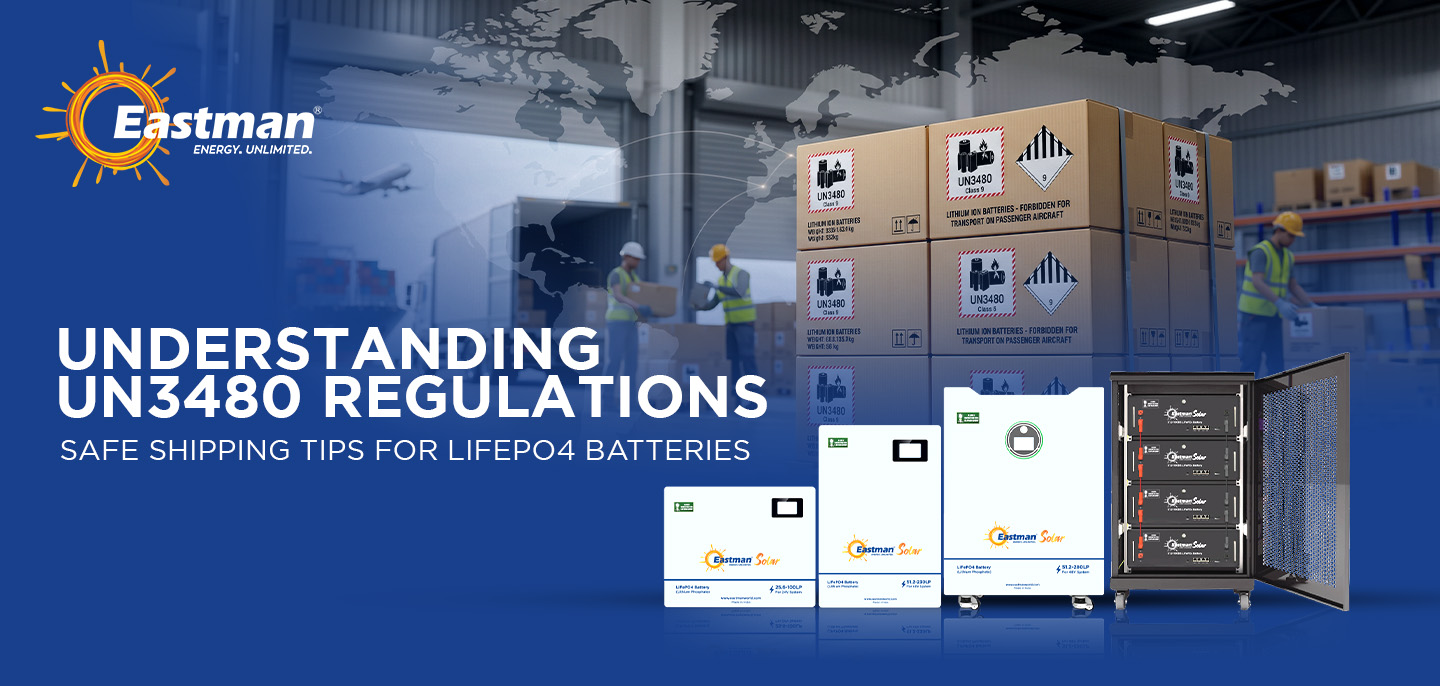
Understanding UN3480 Regulations: Safe Shipping Tips for LiFePO4 Batteries
What is UN3480-and Why Should You Care?
If you’ve ever shipped lithium-ion batteries, you’ve probably come across the label UN3480 lithium-ion batteries standalone stamped on packages. At first glance, it might look like just another code-but it actually carries a lot of weight.
This label is part of a global safety system created by the United Nations dangerous goods regulations. Its purpose is simple: make sure potentially hazardous materials-like lithium-ion batteries-are transported safely.
And yes, that includes LiFePO4 batteries too.
Even though LiFePO4 batteries are known for being safer and more stable, they still fall under the same rules. Why? Because when things go wrong during shipping, they can go wrong fast.
Wait-What Exactly Does UN3480 Mean?
Let’s clear this up, because it’s where many people get confused.
- UN3480 lithium-ion batteries standalone → Batteries shipped on their own
- UN3481 lithium-ion batteries with equipment → Batteries shipped with or inside devices
That difference might seem small, but it matters a lot in logistics. Using the wrong classification can delay shipments-or worse, lead to compliance issues.
Why are Lithium Batteries Treated So Seriously?
Lithium-ion batteries are incredibly useful-but they’re not risk-free.
Under certain conditions, they can:
- Overheat
- Short circuit
- Catch fire
- Even explode
This is often due to something called thermal runaway-a chain reaction where heat builds up faster than it can escape.
LiFePO4 batteries (based on Lithium Iron Phosphate battery chemistry) are much more stable than other lithium-ion types. But “more stable” doesn’t mean “risk-free,” especially during transport where packages get dropped, stacked, and exposed to changing temperatures.
That’s why regulators don’t take chances.
Shipping isn’t Just Packing a Box
It’s tempting to think you can just wrap a battery, put it in a box, and send it off. But shipping under UN3480 comes with very specific requirements.
You need to think about:
- Strong outer packaging that can handle rough handling
- Proper insulation so terminals don’t touch or short circuit
- Internal separation to prevent batteries from knocking into each other
- Weight and quantity limits depending on how you’re shipping
Cutting corners here is risky. A poorly packed battery isn’t just your problem-it can become a safety issue for everyone handling that shipment.
Labels and Paperwork: More Than Just Formalities
Those hazard labels on the box? They’re not just for show.
They tell handlers and emergency responders exactly what’s inside. If something goes wrong, that information can make all the difference.
You’ll also need proper documentation, including a dangerous goods declaration. It might feel like paperwork overload, but it’s there to prevent confusion-and accidents.
Air, Sea, or Road-Rules Change
Not all shipping methods treat batteries the same way.
For example:
- Air shipping (guided by the International Air Transport Association) is the strictest
- Sea freight is slightly more flexible but still regulated
- Road transport is generally simpler-but not rule-free
So the way you pack and label your shipment depends heavily on how it’s traveling.
Common Mistakes People Make
Even experienced shippers slip up sometimes. Here are a few common pitfalls:
- Mixing different battery types in one package
- Ignoring watt-hour limits
- Using weak or non-approved packaging
- Forgetting labels or documentation
- Choosing a carrier that doesn’t accept lithium batteries
These mistakes can lead to delays, penalties, or even rejected shipments.
A Smarter Way to Ship LiFePO4 Batteries
If you’re working with LiFePO4 batteries regularly, a little extra care goes a long way.
Some practical tips:
- Keep batteries at partial charge (around 30–50% if possible)
- Cover or tape terminals
- Use certified packaging
- Double-check all labels before shipping
- Confirm your carrier’s specific requirements
Think of it less as a checklist-and more as risk management.
What Happens If You Ignore UN3480?
Some businesses assume LiFePO4 batteries are “safe enough” to skip strict compliance.
That’s a gamble you don’t want to take.
Ignoring regulations can lead to:
- Fines and legal trouble
- Confiscated shipments
- Safety incidents
- Damage to your reputation
In the worst-case scenario, a mishandled shipment could cause a fire in transit. And that’s not just costly-it’s dangerous.
Final Thoughts
At the end of the day, UN3480 lithium-ion batteries standalone isn’t just a regulatory label-it’s a safety standard that protects everyone involved in the shipping process.
Yes, LiFePO4 batteries are safer than many alternatives. But when it comes to transport, safety isn’t about taking chances-it’s about following proven rules.
If you’re shipping lithium batteries, understanding UN3480 isn’t optional. It’s just part of doing things the right way.
