
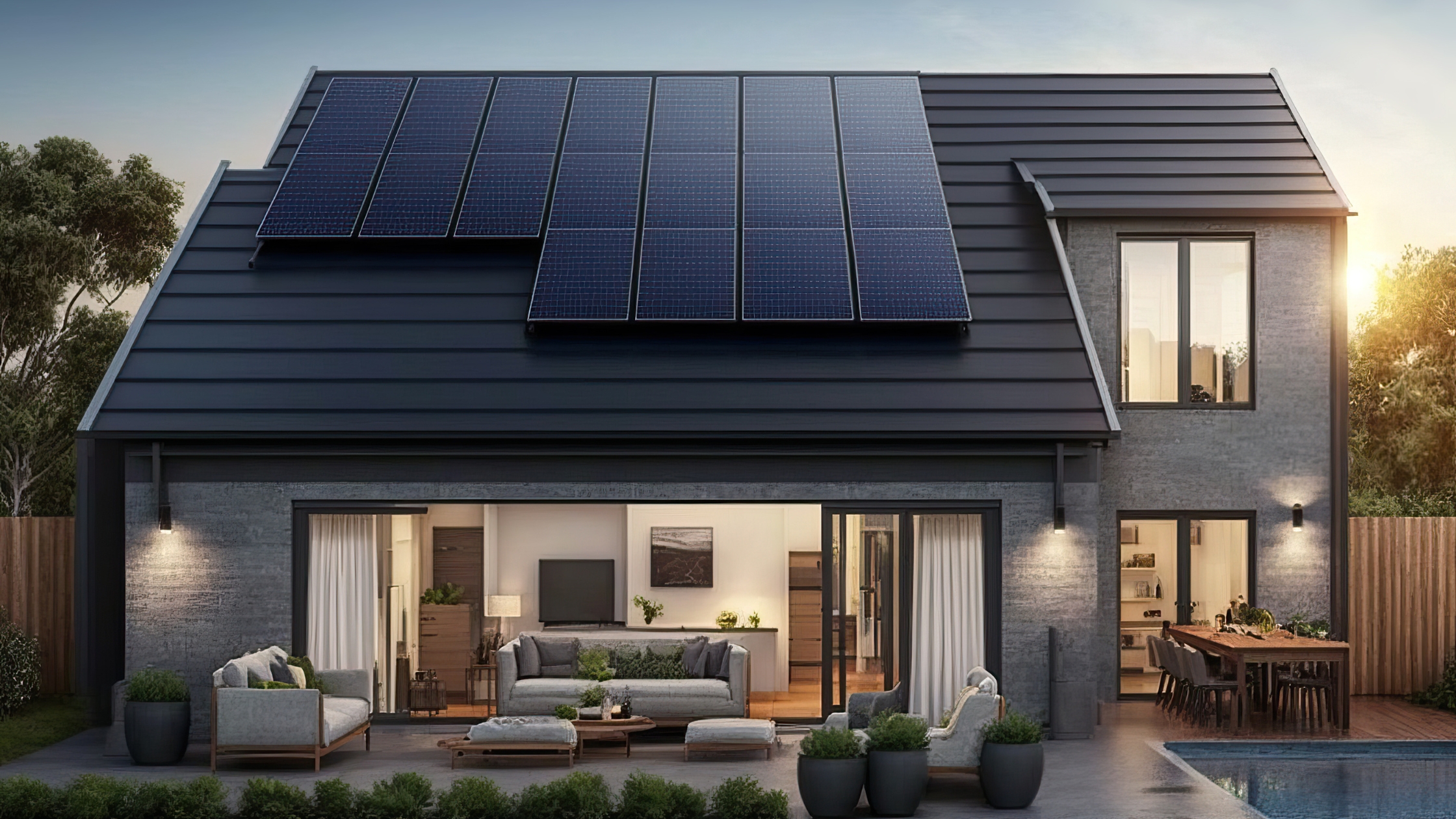
The Benefits of Solar Panels
If you are thinking of managing your power consumption and doing your part for the environment by adding solar panels to your home, our guide on the pros of solar PV technology can help you decide if that is the right option for you.
What is solar energy?
In simple terms, solar energy is heat and electricity that is harvested from sunlight. Sunlight contains elemental particles called photons that release energy when absorbed by the photovoltaic (PV) cells in a solar panel. This action creates an electric current. The more light solar panels are exposed to, the more electricity they can produce.
The benefits of solar panels
1. Renewable and better for the environment
It’s no secret that while we have more access to fossil fuels, burning them to create energy releases harmful chemicals into the air. Since solar power comes directly from the sun, it is a clean energy source that is always available and does not pollute the environment.
2. Reduces electric bills
Solar panels are a great alternative source to obtaining power by subscribing to your local energy grid. While the initial cost of installing a solar panel can be expensive, you end up saving more on your power bills making it more cost-effective long term.
3. It is an independent energy source
Having a home run completely on solar energy makes it easier to function completely detached from your local power grid. Paired with a Solar Battery System, your solar panels can store energy to keep the power on at night and act as a backup power source in case of an emergency.
4. Low maintenance
As long as there are no harsh weather conditions, solar panels require very little maintenance once installed. Just make sure to get a professional team to clean it once every few months and it should work well for years.
5. Diverse uses
Solar panels are not just useful to power up your home and appliances, they can also be used to provide energy to places that don’t have access to a local power grid. They are useful in remote areas and can be used on boats and satellites.
Power your home or business with solar
Eastman Solar panels are made with the highest quality materials and follow strict safety guidelines They are easy to install and will equip you with more green, renewable energy at your fingertips. Click here for more information and to start your solar power journey.
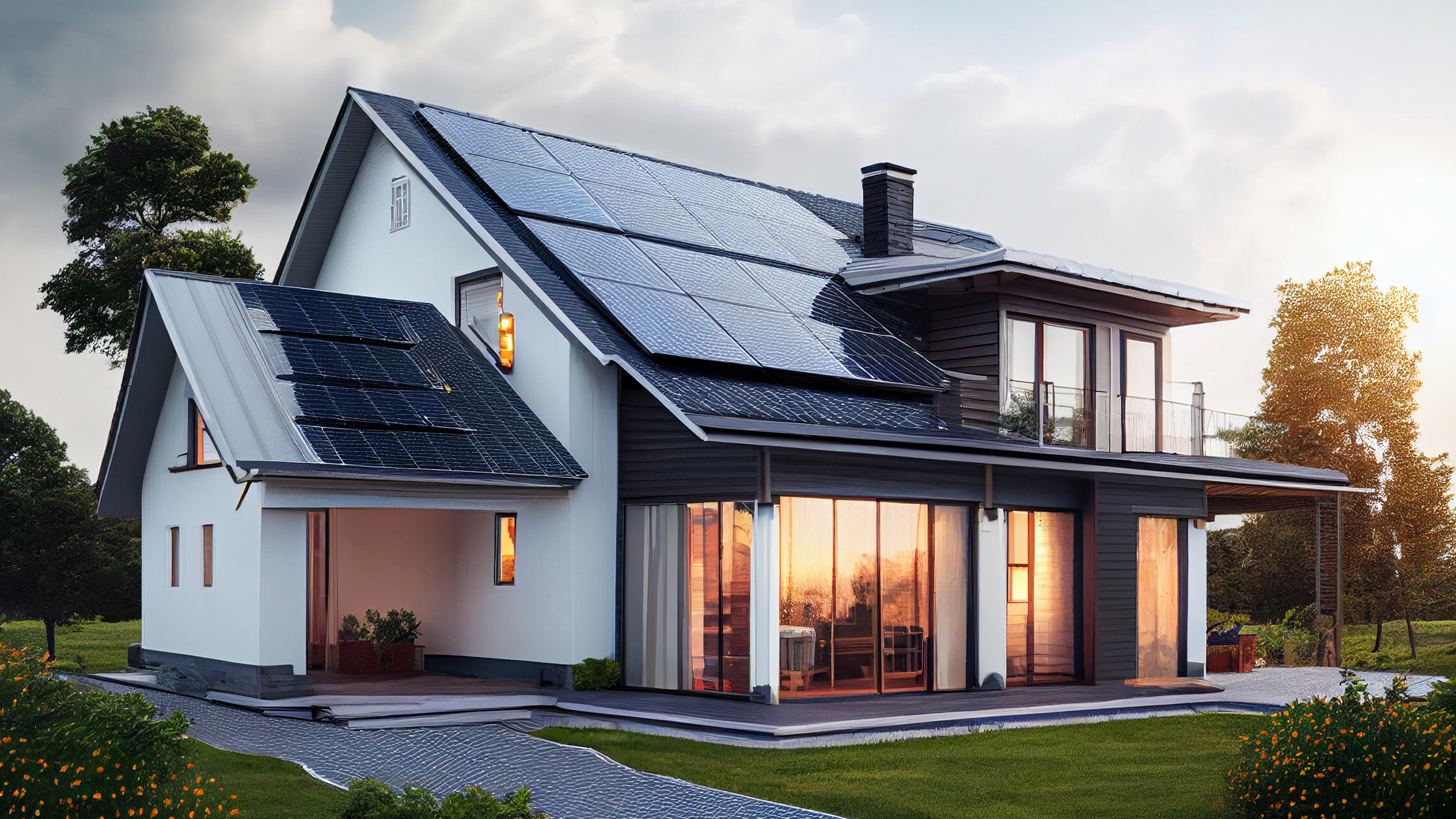
Products Behind Residential Solar Energy
In an era where sustainability and environmental consciousness are at the forefront of global concerns, residential solar energy has emerged as a powerful solution to reduce carbon emissions and dependency on fossil fuels. Behind the scenes of every solar-powered home, a suite of innovative products works seamlessly together to harness the sun’s energy and transform it into electricity.
The Science Behind Solar Energy
Solar energy’s essence lies in the photovoltaic (PV) effect, discovered in the 19th century. It involves the interaction of photons (light particles) and electrons (charged particles) in materials like silicon. When photons hit the material, they energize electrons, prompting them to move and create an electric current. Guided through a circuit by an electric field, these current produces practical electricity—a direct and foundational process for solar power.
Solar Panels: From Sunlight to Electricity
Solar panels, also known as photovoltaic panels, are the technology that captures sunlight and transforms it into electricity. These panels consist of numerous solar cells connected, each containing layers of semiconducting materials. Silicon is the most used material due to its efficiency and availability. When sunlight strikes a solar panel, the photons excite the electrons within the cells, generating an electric current. This direct current (DC) is then converted into alternating current (AC) by an inverter.
Inverters: Transforming DC into Usable AC
While solar panels generate DC electricity, most of our household appliances and electrical systems run on alternating current (AC). This is where inverters come into play. Inverters are devices that convert the DC electricity produced by solar panels into the AC electricity that powers our homes and businesses. They ensure that the energy harvested from the sun is compatible with our daily energy needs.
Batteries: Storing Excess Energy
Solar energy production isn’t constant throughout the day, and excess energy generated during peak sunlight hours often goes to waste. Enter solar batteries, the solution to this challenge. Solar batteries store surplus electricity produced by your solar panels, making it available for use during cloudy days or at night when the sun isn’t shining. This not only maximizes your energy consumption but also enhances your energy independence.
Myths & Facts of Solar Energy
Myth 1: Solar Panels Only Work in Sunny Climates.
Fact: Solar panels can generate electricity even on cloudy days. While sunlight intensity affects efficiency, panels can still produce power under diffused light. Germany, with its often-overcast skies, is a prime example of successful solar adoption.
Myth 2: Solar Panels Require Constant Maintenance.
Fact: Solar panels have few moving parts and require minimal maintenance. Regular cleaning to remove dirt and debris is usually sufficient. Modern panels are built to withstand various weather conditions.
Myth 3: Solar Energy Is Too Expensive.
Fact: While the initial investment can be significant, solar costs have dramatically decreased in recent years. Tax incentives, rebates, and the long-term savings on electricity bills make solar a financially viable option.
Myth 4: Solar Panels Can’t Be Used at Night.
Fact: Solar panels produce electricity when exposed to sunlight, but excess energy can be stored in batteries for use during nighttime hours. Alternatively, many solar-powered homes remain connected to the grid, allowing for electricity exchange.
Myth 5: Solar Energy Is Inefficient.
Fact: Solar panel efficiency has improved significantly, with some panels reaching over 20% efficiency. Advances in technology continue to enhance the conversion of sunlight into electricity.
Solar energy represents a transformative shift in how we harness power for our modern world. By understanding the science behind solar panels and their photovoltaic effect, we can fully appreciate the clean, sustainable, and limitless potential of the sun as an energy source. As technology continues to advance and costs decrease, solar energy is poised to play an increasingly significant role in shaping a greener, more sustainable future for generations to come.
Maximizing Solar Power Efficiency: The Essential Role of Solar Charge Controllers
In today’s era of increasing environmental consciousness and the quest for renewable energy sources, solar power stands tall as a reliable and sustainable option. However, to make the most of your solar panels and ensure they last for years, you need a crucial component in your solar setup: a solar charge controller.
What is a Solar Charge Controller?
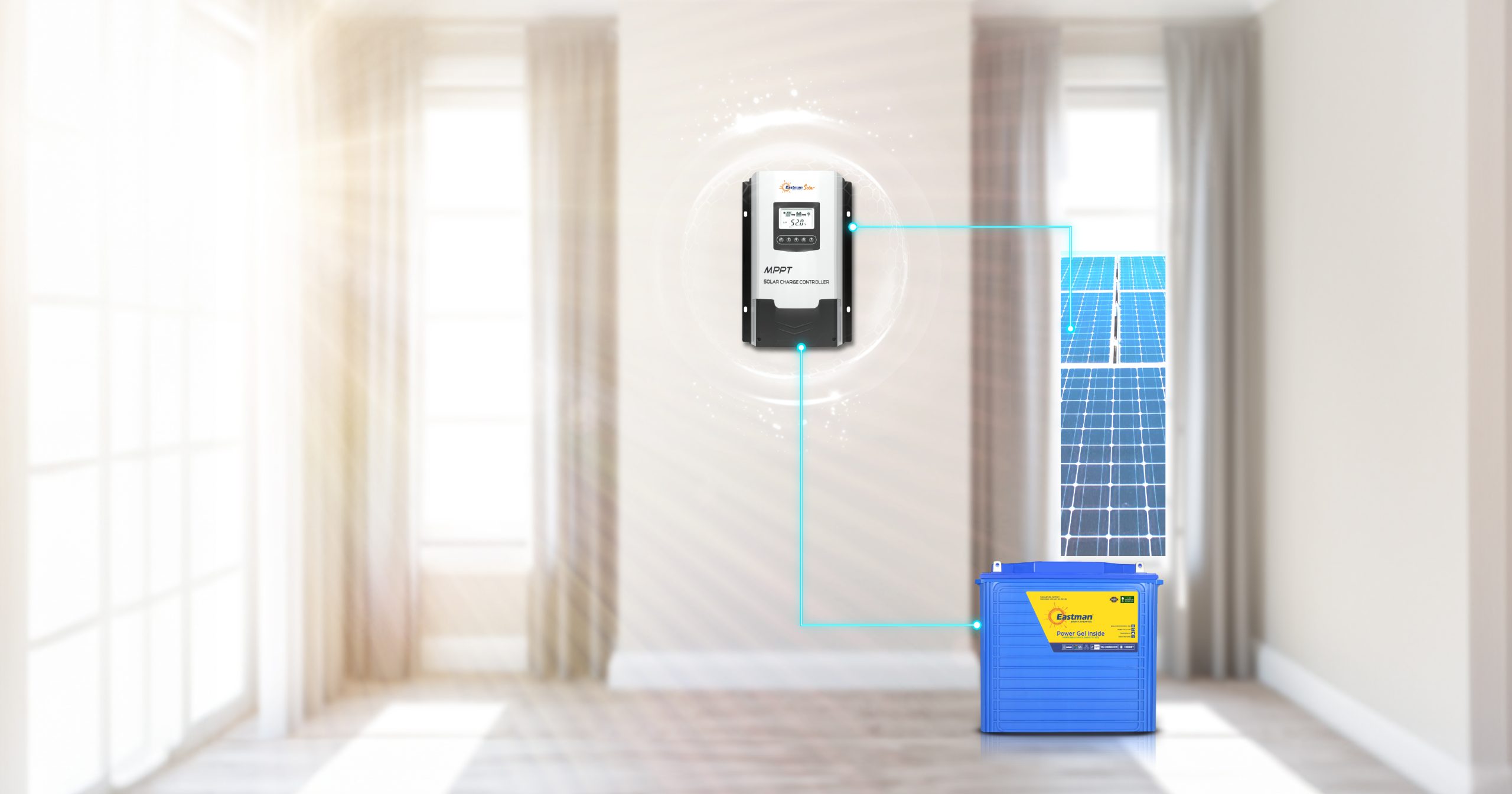
A solar charge controller, also known as a charge regulator, is a device that manages the power flowing from your solar panels to your battery bank. Its primary function is to regulate the voltage and current coming from the solar panels and prevent overcharging or deep discharging of the batteries.
How Does a Solar Charge Controller Work?
Solar panels generate direct current (DC) electricity, which is then sent to the charge controller. The charge controller acts as a traffic cop, ensuring that the right amount of power flows to the batteries. When the batteries are fully charged, it prevents overcharging by diverting excess electricity away from them.
Additionally, during periods of low sunlight or at night, the charge controller prevents the batteries from discharging too much, prolonging their lifespan. Some advanced models also include features like temperature compensation, which adjusts charging parameters based on temperature fluctuations.
Reasons to Invest in a Solar Charge Controller
Battery Longevity:
A solar charge controller is essential for extending the life of your battery bank. By preventing overcharging and deep discharging, it safeguards the integrity of your batteries, ultimately saving you money in the long run.
Increased Efficiency:
Without a charge controller, solar panels can overcharge batteries, leading to energy loss and potential damage. By regulating the charge, the controller ensures that every bit of energy is used efficiently.
Protection Against Voltage Fluctuations:
In regions prone to voltage spikes or drops, a solar charge controller acts as a buffer, stabilizing the power supply to your batteries.
Safety First:
Overcharging batteries can lead to hazardous conditions, including the risk of fire or explosion. A charge controller provides a critical layer of safety, reducing these risks.
Maintenance-Free Operation:
Once installed, a solar charge controller requires minimal maintenance, providing hassle-free operation for years.
Compatibility with Various Battery Types:
Different batteries have distinct charging requirements. A quality charge controller can be adjusted to suit the specific needs of lead-acid, gel, AGM, or lithium-ion batteries.
A solar charge controller might seem like a small component in a solar power system, but its impact is profound. By regulating the flow of energy, it protects your batteries, increases efficiency, and ensures the safety of your entire solar setup. Investing in a high-quality solar charge controller is a wise decision for anyone serious about maximizing the potential of their solar power system. Don’t cut corners on this critical component; your energy savings and system longevity will thank you.
Check the available models of Solar charge controller from Eastman Here
Choosing the right inverter for your home: a comprehensive guide
In a world that relies heavily on electricity, power outages can disrupt our daily lives and bring productivity to a halt. This is where inverters come to the rescue. An inverter is a device that converts DC (Direct Current) power from sources such as solar panels into AC (Alternating Current) power, which is the type of electricity used in homes and businesses. Selecting the right inverter for your home is crucial to ensure uninterrupted power supply during blackouts. In this comprehensive guide, we’ll walk you through the key factors to consider when choosing the perfect inverter for your needs.
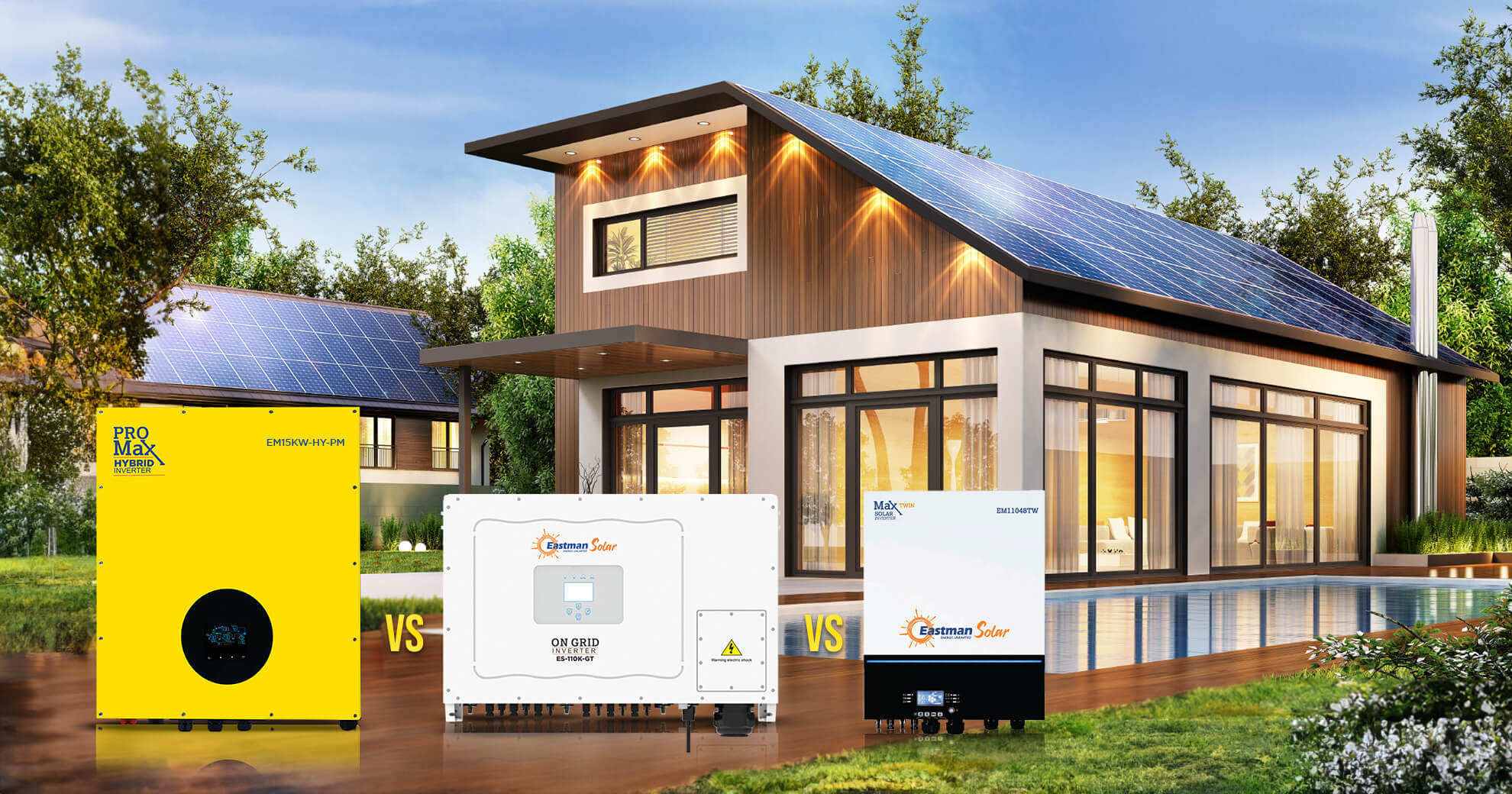
On-grid Inverter
should be preferred if you have a constant power supply from local grid (utility power/ Main Electricity) and your purpose is to reduce your monthly electricity bills. On-grid inverters gives you quick payback as there is no requirement of batteries and energy storage, excess energy goes to your local grid which helps to reduce energy bills.
Off-Grid Inverter
should be preferred if your home is either not connected to local power grid or continuous grid supply is not available due to regular power cuts. Here, energy generated through panels travels through the inverter to a power bank or storage batteries Then your home pulls electricity from the battery bank for consumption. Off-Grid systems cost more than grid-tied due to inclusion of battery storage, but with Off-grid systems you become completely self-sufficient for energy without relying on any other electricity / power sources, which gives total peace of mind.
Hybrid Inverter
are most popular because it is connected to grid but same time it has a battery backup. The Beauty of Hybrid system is that you will always have a power in any situation. The excess energy that your solar panels generate (but your home doesn’t use) will be stored in batteries first, once batteries fully charged then excess energy will feed into the grid. In case of no sunshine (during evening) system automatically switch energy from batteries, later when batteries near to discharge (during night), then system automatically start importing power from the grid.
Other Important things to keep in mind when opting for Inverts.
Safety Features:
Safety should be a priority. Always look for inverters with features like overload protection, short-circuit protection, and surge protection to safeguard your appliances and the inverter system itself.
Brand Reputation and Warranty:
Opt for well-established brands like Eastman with a good reputation for producing reliable and durable inverters.
Selecting the right inverter for your home is a decision that should be based on careful consideration of your power requirements, battery preferences, efficiency needs, and more. Remember that an inverter is a critical component of your backup power system, so making an informed choice can make all the difference when the lights go out. With the right inverter in place, you can enjoy peace of mind knowing that you’re prepared for any unexpected power disruptions.
Want to learn more about solar inverters and options available?Click here:
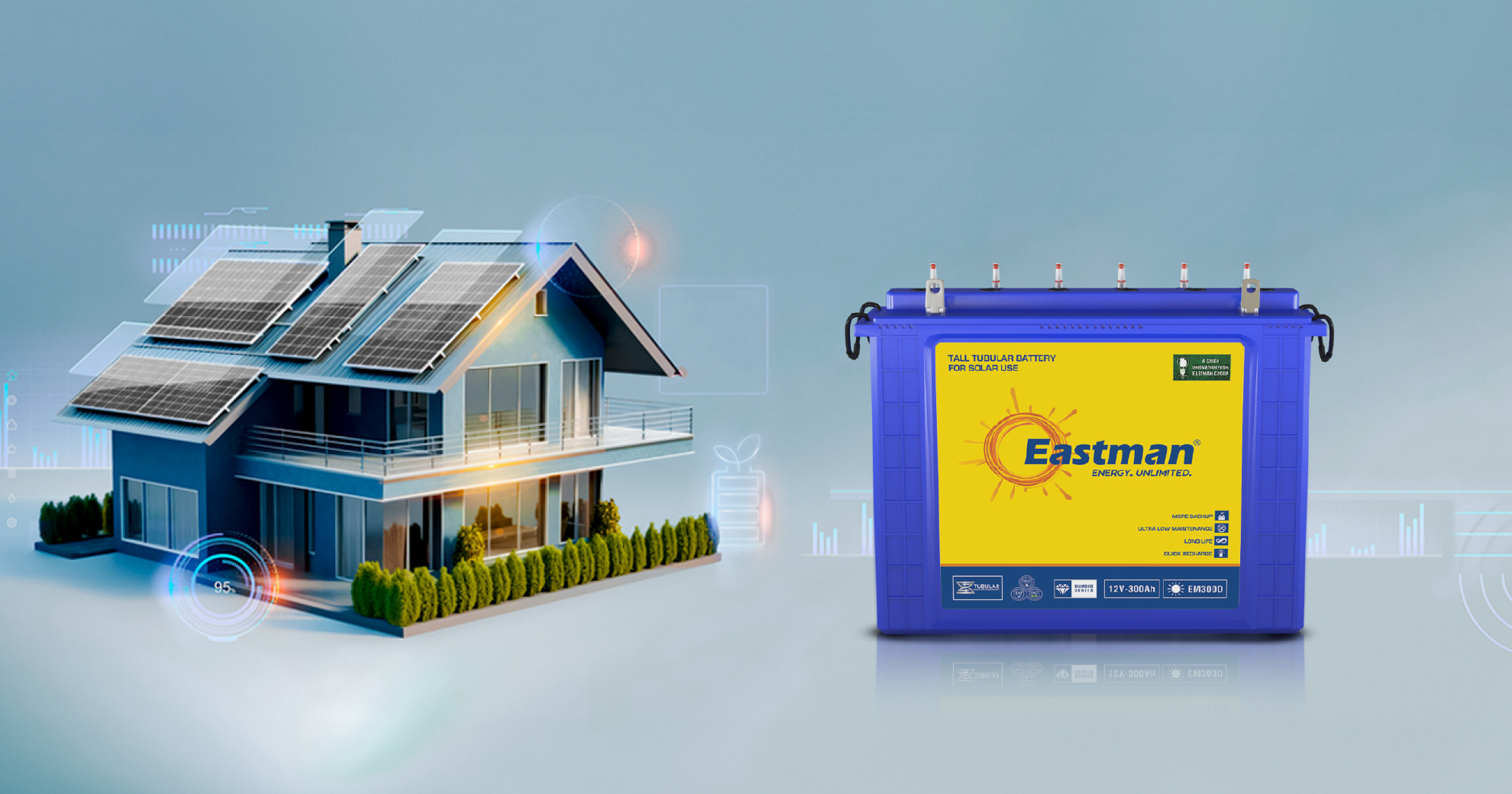
Why Eastman Tubular Batteries Are the Best Investment.
Investing in the right battery is crucial, especially when it comes to applications like solar power systems, and backup power sources. Tubular batteries have gained immense popularity over the years, and for good reason.
What are Tubular Batteries?
Tubular batteries are a type of lead-acid battery characterized by their unique construction. Unlike conventional flat-plate batteries, tubular batteries feature positive plates in the form of cylindrical tubes, providing enhanced structural integrity and longevity.
How Does Tubular Technology Work?
It has flooded rechargeable batteries which consist of two electrodes one is lead (Pb) and other is a lead oxide (PbO2) and electrolytes are Sulfuric acid. Electrodes are dipped in Electrolytes. A chemical reaction follows between the electrodes and electrolytes inside respective batteries which induces the accumulation of DC current resulting in rechargeable batteries. It only releases H2 gas. In Tubular batteries, the positive plate is a Tube made of cloth which holds the electrodes inside it and negative plate has a flat pasted structure. Tubular batteries have thicker plates, so they have a larger number of discharging cycles.
Applications:
Tubular batteries have emerged as a cornerstone in modern energy storage, with applications spanning various sectors, including renewable energy, green energy, solar applications, backup systems, and telecommunications. Their robust design and impressive longevity make them a sound investment for those seeking reliable and sustainable power solutions. As technology advances, these batteries are poised to play an even more significant role in shaping the future of energy storage, with ongoing innovations in battery technology and an expanding range of applications. Tubular batteries are set to revolutionize how we harness and store energy, solidifying their place as a linchpin in the transition towards more resilient, reliable, and environmentally conscious energy systems.
Why Eastman Tubular Technology is better?
Eastman’s focus is on delivering a reliable and sustainable power supply through its batteries. Every piece of equipment is crafted by a team of highly skilled and dedicated employees. We prioritize offering genuine products, ensuring quality performance, and providing top-notch customer service. Our commitment lies in serving our customers and offering comprehensive solutions to meet their needs through continuous innovation. Here are some notable applications of Tubular Batteries.
Key Benefits
- Higher Charge Efficiency
- Low self-discharge
- Ultra-low maintenance & higher cycle life
- Suitable for frequent power cut areas
- Recommended for tropical climates.
- Level indicator for easy maintenance Reliable & steady performance, even on heavy load
- Eco-Friendly aqua trap vent plugs ensuring no acidic fumes.
Unique Features
- Thicker& Wider Spines for long life and deep cycle applications.
- Usage of Best Antimony alloy for ultra-low maintenance
- High porous& oxidation resistance gauntlet for extra backup & long life
- Advanced high surface carbon used for enhanced performances.
Your choice of battery can significantly impact your overall energy system’s efficiency and reliability, making tubular batteries an excellent investment for both residential and commercial applications. So, consider the long-term benefits and choose tubular batteries for a dependable and cost-effective power solution.
Check out the available modelsHere:
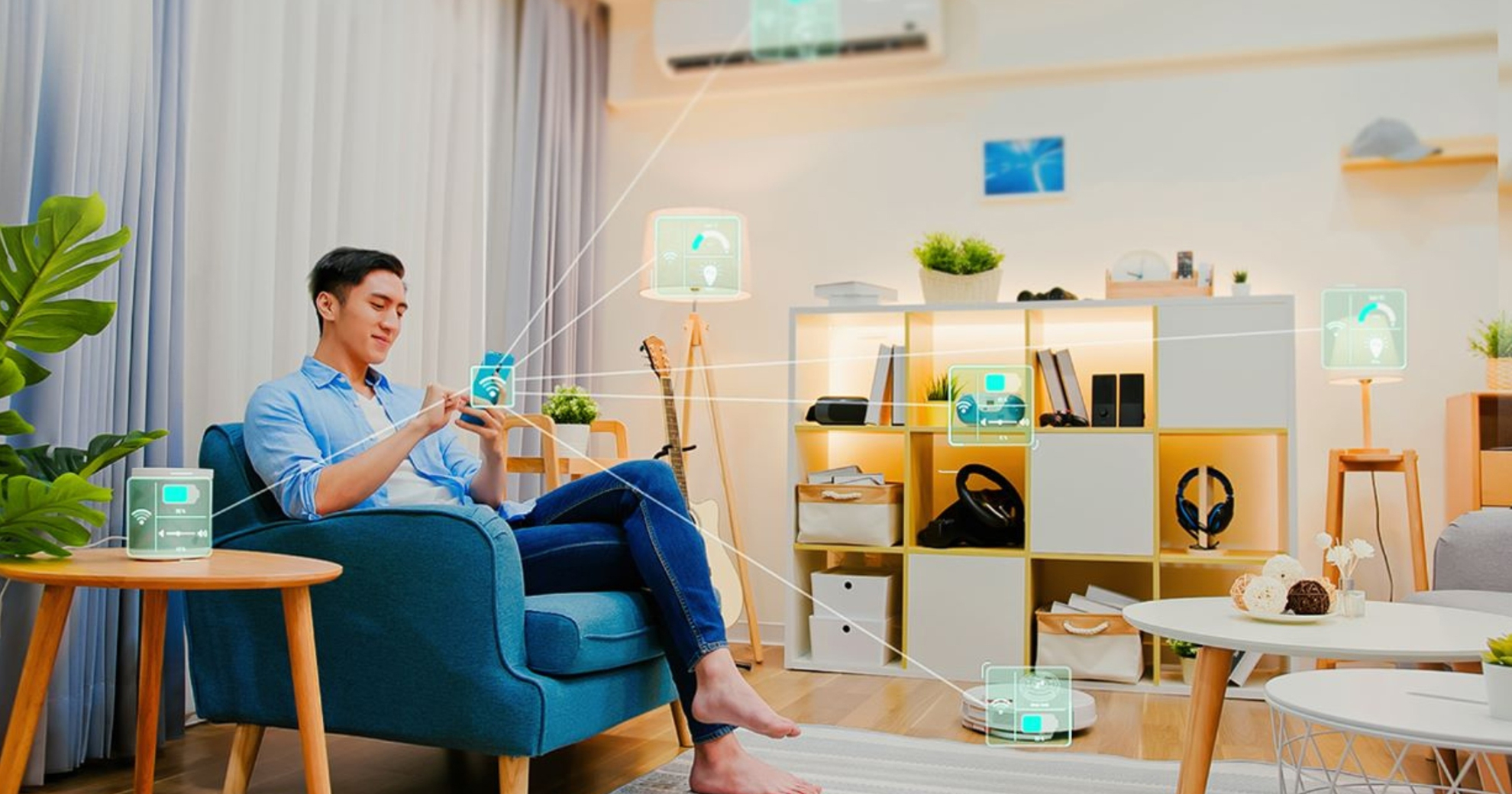
Energy Saving Tips for Living a More Sustainable Life
The current global energy crisis has contributed to both the rising costs of energy and shortages across the globe. These shortages are damaging consumers, businesses and economies and have put a spotlight on the importance of energy saving.
How can we do this? The first step is to change our habits and consumption behavior. Using less power daily and investing in more energy efficient solutions can help reduce both our carbon footprint and electricity bills and help us live more sustainably.
Here are a few practical ways to reduce your energy consumption.
1. Unplug your electronics.
Even when you are not using them, appliances consume energy. This is known as phantom load and can add to your electricity bills. You can avoid this by unplugging any appliances that are not being used or plug them into a power strip and switch off the power strip when the devices are not in use.
2. Prioritize efficiency
Optimize the energy efficiency in your household with a few simple, low-cost investments.
- Switch to LED lights: LED lights last as much as 20 times longer than an incandescent bulb. They are more expensive than other light bulbs but will save you more electricity.
- Buy appliances that consume less energy: When shopping for new devices look for ENERGY STAR qualified products that have the lowest consumption. Try and be smart about what you get for your home. For example, if you don't need a large refrigerator, buy a smaller one. Making small changes like this will help you save more on electricity bills in the long run.
- Don't skip tune ups: Maintaining your appliances will mean lower energy costs and longer operating lifespan. Care for your devices and they will function more efficiently in the long run. E.g.
- Cooling: Regularly clean the filters in your air conditioning unit to keep them working efficiently.
- Refrigerator: Keep the coils at the back of your refrigerator clean
3. Transition to using solar energy.
It is no secret replacing your general electricity with solar power can reduce your overall energy consumption and costs. When you break it down, the cost of your solar panels will be lower than your daily electricity consumption. Not only that but using solar panels will give you access to an unlimited supply of green energy.
Eastman Solar has a range of solar products that are specifically designed to help you save more energy and lower your carbon footprint. Installing solar panels and using solar powered batteries are an easy way to ensure you are saving more while doing more for the environment.
Want to learn more about clean living energy solutions? Get all the info on Eastman Solar products Here
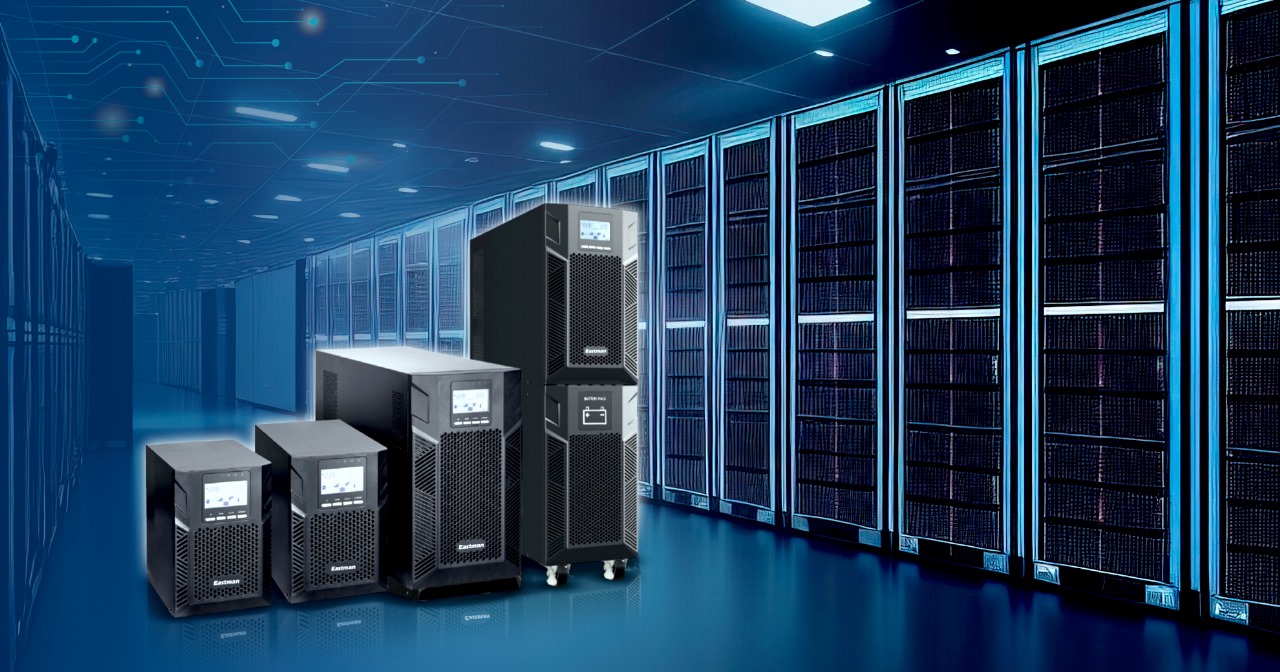
Powering Success: Unleashing the Potential of Online UPS
Online UPS, also known as a double-conversion UPS, represents the pinnacle of power protection technology. It operates on a unique principle that sets it apart from other UPS types. Here’s how it works:
Double Conversion:
Online UPS systems continuously convert incoming AC power to DC and then back to AC. This double-conversion process ensures that the output power is clean, stable, and free from any fluctuations, surges, or sags.
Isolation:
Online UPS units provide electrical isolation between the utility power and connected devices. This isolation ensures that even when the utility power experiences issues, the connected equipment remains unaffected.
Zero Transfer Time:
In the event of a power failure or disturbance, Online UPS units seamlessly switch to battery power without any delay. This instantaneous switchover ensures uninterrupted power delivery.
Benefits of Online UPS:
Online UPS systems offer numerous advantages that make them the preferred choice for critical applications.
Ultimate Reliability:
Online UPS provides the highest level of power protection, ensuring a constant and stable power supply for critical equipment.
Surge Protection:
They offer superior surge protection, safeguarding valuable devices and data from voltage spikes and surges.
Load Balancing:
Online UPS systems can handle varying loads without impacting the quality of power output.
Versatility:
They are suitable for various applications, from data centers and hospitals to industrial settings and remote communication sites.
Applications of Online UPS
Online UPS plays a crucial role in various industries and settings:
Data Centers:
Data centers rely on Online UPS to protect servers, storage systems, and networking equipment. The continuous power supply prevents data loss and downtime.
Hospitals:
In healthcare, Online UPS systems ensure that life-saving medical equipment, such as ventilators and monitoring devices, remain operational during power outages.
Manufacturing:
Manufacturing facilities use Online UPS to keep production lines running smoothly, preventing costly disruptions and product quality issues.
Remote Communication:
Off-grid communication sites, like cell towers and remote monitoring stations, depend on Online UPS for uninterrupted connectivity.
Maintenance and Monitoring
To ensure the optimal performance of your Online UPS system, it’s essential to follow these maintenance and monitoring practices:
Regular Inspections:
Conduct routine inspections to identify any signs of wear, damage, or overheating. Address any issues promptly.
Battery Health:
Continuously monitor the health of the UPS batteries and replace them as recommended by the manufacturer to maintain uptime.
Load Management:
Ensure that the UPS is not overloaded, as overloading can affect performance and longevity.
In conclusion, Online UPS systems are the linchpin of business continuity and mission-critical applications. Their double-conversion technology, zero transfer time, and exceptional reliability make them a vital component in ensuring seamless operations and safeguarding sensitive equipment. Whether you’re managing a data center, a healthcare facility, or an industrial plant, Online UPS is your assurance of uninterrupted power, even in the face of unforeseen challenges. Embrace the power of Online UPS and experience a world of reliability and peace of mind.
Check out the available models Here
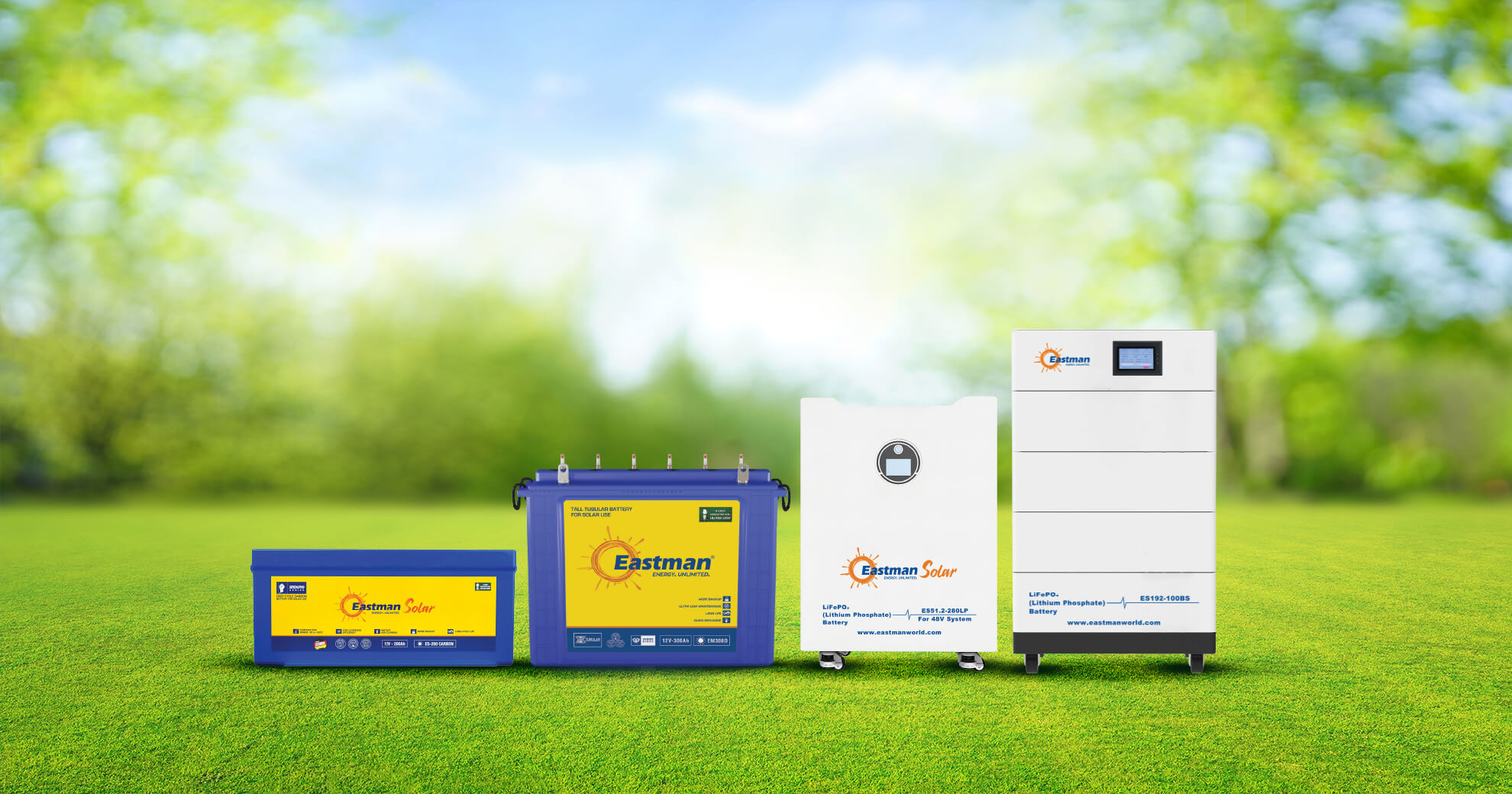
Smart Homes with Solar Battery Innovation
In the era of advancing technology, the intersection of smart homes and solar batteries is shaping the future of energy efficiency.
Smart homes are not just ideas anymore – they are real and a part of our everyday lives. They connect different things in our homes to make life easier. One important change in smart homes is using renewable energy, and solar batteries play a big role in making this happen. There are Three main types of solar batteries — Carbon, Lithium, and Tubular batteries — each playing a unique role in the effective capture and storage of solar energy, thereby making sustainable living a reality.
Lithium Batteries
At the forefront is the Lithium battery, lauded for its exceptional energy density, extended lifespan, and swift charging capabilities. The compact structure makes it an ideal powerhouse for residential solar applications, seamlessly fueling the demands of smart homes with reliability and precision. The best-in-class LiFePO4 battery series prioritizes safety, deep cycle performance, and durability. Equipped with a built-in Battery Management System (BMS), it ensures protection against over-voltage, over-load, and over-temperature. This Lithium Phosphate battery seamlessly combines versatility and scalability, making it the optimal choice for a smart home.
Carbon Batteries:
Lead carbon batteries offer very high cyclic life, high charge efficiency, excellent charge acceptance. Reduced sulphation improves their Partial State of Charge (PSOC ) performance. As a VRLA design, requires no maintenance & no water top up. For those inclined towards eco-conscious alternatives, Carbon batteries take center stage. Harnessing carbon-based materials, these batteries not only excel in energy storage but also champion a sustainable production process. By aligning with the growing demand for green technology, Carbon batteries are contributing to the environmentally conscious landscape of smart homes.
Tubular batteries
Tubular battery is a type of deep-cycle flooded lead-acid battery with tubular plates, designed for efficient and reliable energy storage in solar power systems. It boasts a low cost of ownership, making them an economically sound choice for those looking to power their homes with solar energy. Engineered with a robust design, these batteries offer enhanced durability and performance. The tubular positive plates facilitate efficient charge and discharge cycles, ensuring optimal energy storage for residential applications. As we embark on a journey towards energy-efficient living, tubular batteries stand out as a dependable solution, playing a vital role in the seamless transition to smart homes powered by clean and renewable energy sources.
As the smart home ecosystem expands, the integration of solar batteries becomes instrumental in achieving true energy efficiency. The synergy between intelligent home systems and advanced solar storage solutions optimizes renewable energy utilization, reducing grid dependency, and minimizing carbon footprints. This harmonious convergence is steering us toward a future where our homes are not just connected but are also powered sustainably by the sun.
In conclusion, Lithium, Carbon, and Tubular batteries stand at the forefront of innovation in solar energy storage. Adopting these technologies not only enhances the efficiency of our living spaces but also contributes significantly to a cleaner, greener planet. The future is enlightened, and it radiates with the promise of a more sustainable and energy-efficient way of life.
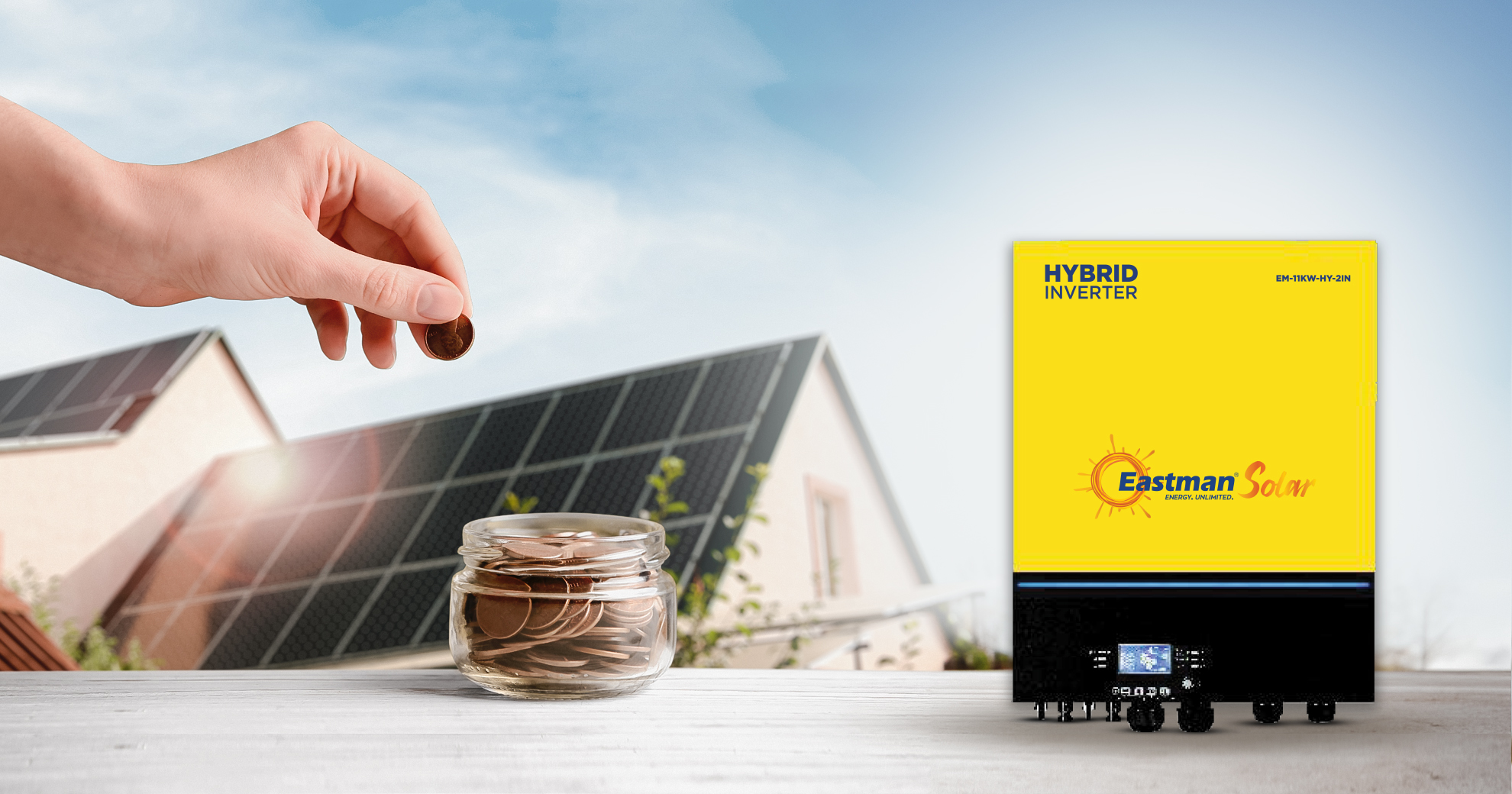
Maximizing Cost Savings with Hybrid Inverters: What You Need to Know
In today’s evolving energy landscape, hybrid inverters stand out as groundbreaking technology, transforming how we manage power for sustainability and cost-efficiency. Beyond their core function of converting DC to AC power, these inverters seamlessly integrate with solar panels, batteries, and the grid, granting users unprecedented control over energy consumption and savings.
Understanding how hybrid inverters optimize cost savings is vital. Unlike traditional inverters, hybrids seamlessly switch between power sources—solar, grid, and stored battery energy—allowing users to make the most cost-effective choices based on electricity prices, weather, and usage patterns.
A key feature of hybrid inverters is their integration with solar panels, effectively managing generated energy. They store excess power in batteries or send it to the grid, reducing reliance on grid electricity during peak hours and leading to significant cost savings.
These inverters excel in energy storage management, allowing surplus solar energy storage for high-demand periods or low solar production times. This flexibility not only reduces reliance on the grid but also stabilizes energy prices, ensuring long-term savings.
With multiple operation modes like grid-tie, off-grid, and hybrid, users adapt energy strategies based on specific needs. Grid-tie mode permits selling excess energy, while off-grid mode supports remote locations.
The integration of smart monitoring and control systems in hybrid inverters empowers users to track their energy production, consumption patterns, and overall system performance in real-time. These insights enable informed decision-making, allowing users to adjust their energy usage behaviours and maximize cost savings further.
Hybrid inverters are pivotal in reducing grid dependence, maximizing renewable energy use, and making power usage decisions for a cost-efficient and sustainable future. However, choosing the right system and optimizing its operation is crucial to unleash its full potential.
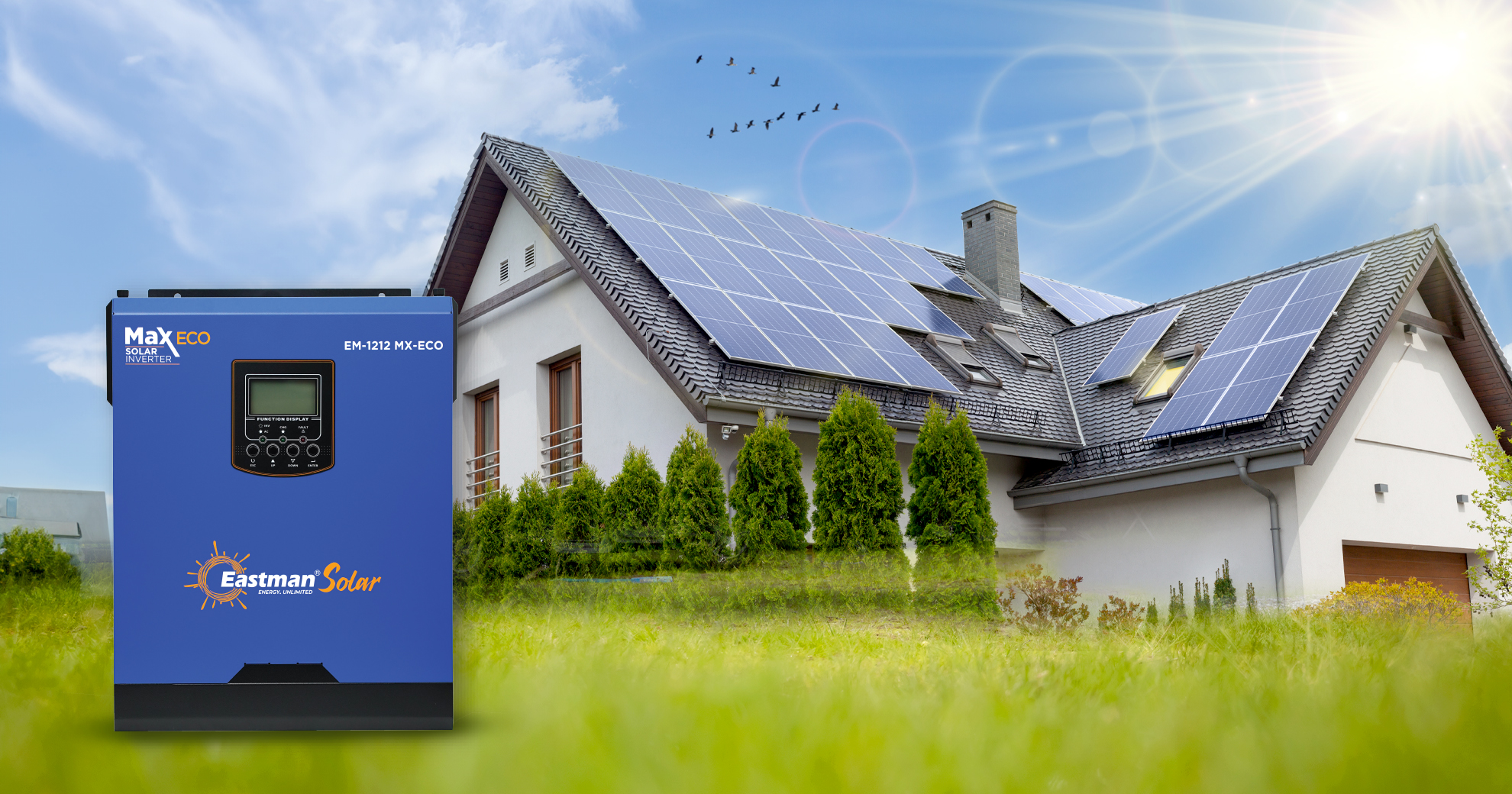
Understanding Off-Grid Inverter Maintenance and Troubleshooting
Off-grid inverters are the backbone of self-sufficient power systems, converting DC electricity from solar panels or batteries into usable AC power. To ensure their optimal performance and longevity, regular maintenance and troubleshooting are essential. Let’s delve into the crucial aspects of maintaining and troubleshooting off-grid inverters for a seamless and reliable energy supply.
1. Importance of Regular Maintenance
Check for Physical Damage
Inspect your off-grid inverter regularly for any signs of physical damage or wear. Look out for loose connections, corrosion, or any unusual Odors. Physical damage can significantly affect the inverter’s efficiency and performance.
Cleanliness Matters
Keep the inverter and its surroundings clean. Dust, debris, or any obstructions can hinder proper ventilation, potentially leading to overheating issues. Regularly clean the vents and ensure adequate airflow to prevent overheating.
Battery Maintenance
If your off-grid system includes batteries, maintaining them is crucial. Check battery connections, clean terminals, and monitor electrolyte levels (if applicable). Properly maintained batteries contribute to the overall efficiency of the system.
2. Routine Checks and Tests
Regular System Checks
Perform routine system checks to verify the inverter’s operating status. Ensure that it displays the correct information on the control panel or through monitoring software. Check for any error codes or abnormal readings that may indicate issues.
Battery Health
Monitor battery health regularly by examining voltage levels and charge status. Low or fluctuating voltage levels might signal potential problems with the batteries or charging system, affecting the inverter’s performance.
Wiring and Connections
Inspect all wiring and connections for tightness and signs of wear or corrosion. Loose or damaged connections can disrupt the flow of electricity and cause operational issues.
3. Troubleshooting Common Issues
Overheating
If the inverter is overheating, check for obstructions blocking airflow and ensure proper ventilation. Also, consider reducing the load or relocating the inverter to a cooler area if possible.
Error Codes or Abnormal Readings
Refer to the user manual or manufacturer’s guidelines to decode error codes or abnormal readings displayed on the inverter. These codes often provide valuable information about specific issues and possible solutions.
System Performance Issues
If you notice decreased system performance or irregularities, perform a thorough system check. Inspect components, connections, and settings to identify and rectify any underlying issues.
Professional Maintenance and Support
Seek professional assistance for complex issues or regular maintenance tasks beyond your expertise. Certified technicians can perform in-depth diagnostics, maintenance, and repairs, ensuring the longevity and reliability of your off-grid inverter system.
Understanding the importance of regular maintenance and troubleshooting for off-grid inverters is crucial in ensuring a consistent and reliable power supply. By incorporating routine checks, timely maintenance, and prompt troubleshooting, you can mitigate potential issues and prolong the lifespan of your off-grid inverter system.
Remember, a well-maintained off-grid inverter not only enhances system performance but also contributes to a more sustainable and efficient off-grid power setup.
